
This page has not yet been reviewed by our Scientific and Medical Advisory Committee. Content is written by parent volunteers and may not reflect current medical guidelines.
Support
Supporting a CDKL5 Family
You want to help, and that matters. If someone you care about has a child with CDKL5 Deficiency Disorder (CDD), you may be wondering what to say or do. The fact that you are here, reading this, already means a lot.
A CDD diagnosis can be overwhelming. Families may be dealing with seizures, hospital stays, therapy appointments, uncertainty, and exhaustion. Support does not have to be perfect to matter. Small, thoughtful actions can make a real difference.
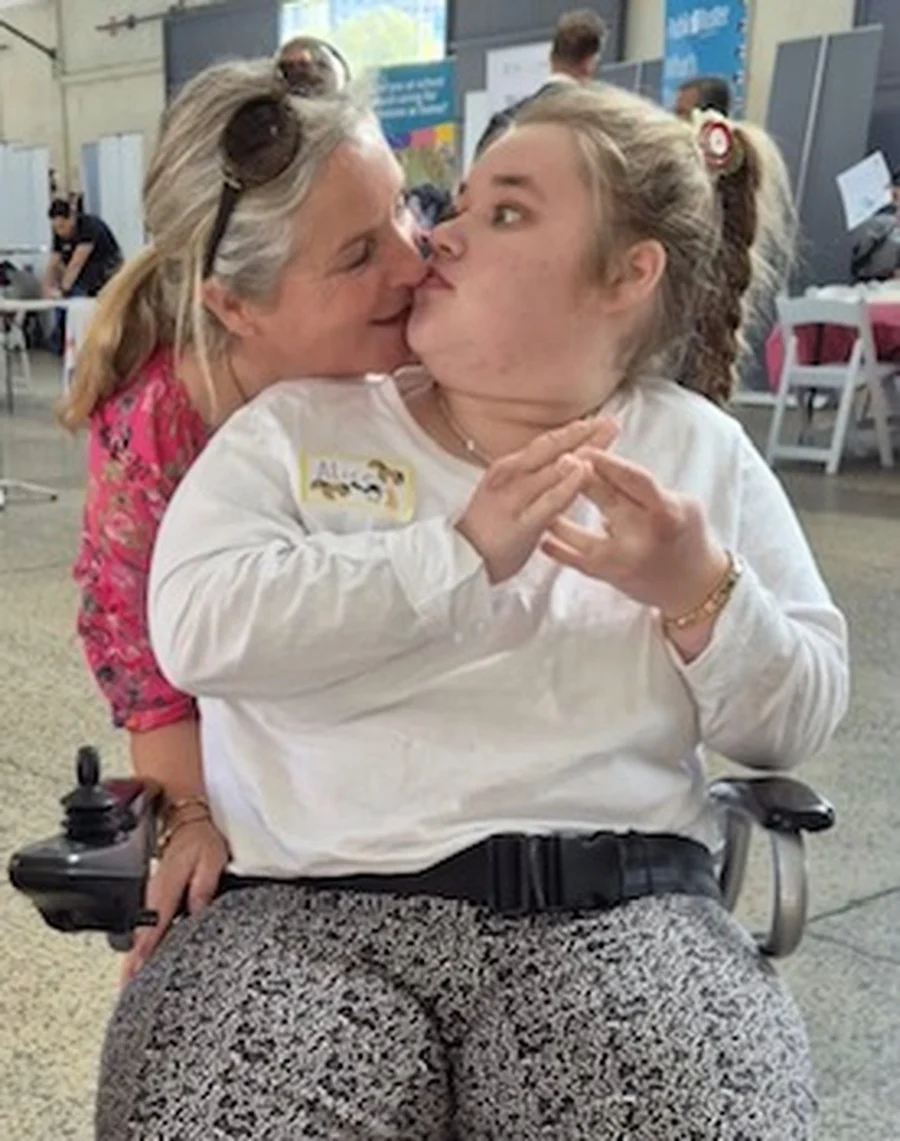
-
Lead with kindness
Families often remember warmth, honesty and presence more than perfectly chosen words.
-
Offer practical help
Meals, appointments, school support and day-to-day help can ease pressure in meaningful ways.
-
Stay alongside them
Support matters after diagnosis too, in the months and years that follow.
What to say
The right words don’t have to be perfect; they just have to be honest.
-
I’m here for you.
Simple, honest and reassuring.
-
I don’t fully understand, but I want to learn.
Families often appreciate honesty over pretending.
-
What would be most helpful right now?
Ask rather than guess.
-
Your child is beautiful.
Parents want to hear what all parents want to hear.
What not to say
These come from a kind place, but families have shared they often land hard.
-
Everything happens for a reason.
This is usually not comforting to a family in crisis.
-
Have you tried…
Unless you are a specialist, avoid suggesting treatments or diets.
-
I know how you feel.
Unless you have lived it, you likely do not, and that is okay.
-
At least…
Phrases beginning with “at least” often unintentionally minimise what a family is going through.
Practical ways to help
Specific offers are easier to accept than open-ended ones. Here are real ways to lighten the load.
-
Cook a meal
Or organise a meal train. Families in hospital cycles rarely have time to cook.
-
Offer specific help
“Can I pick up your other kids on Thursday?” is easier to accept than “Let me know if you need anything.”
-
Sit with them
At a hospital appointment, at home, anywhere. Sometimes company is the help.
-
Learn about CDD
Read About CDKL5 to understand what the family is facing.
-
Remember their other children
Siblings need attention too. Offer to take them to the park or for an ice cream.
-
Stay in touch
A diagnosis is not a one-week event. Families need support months and years later.
For teachers and carers
If a child with CDD is joining your classroom or care setting:
-
Ask the family
Every child with CDD is different. Start by asking what their child needs.
-
Learn seizure first aid
The Epilepsy Foundation has free seizure first-aid resources.
-
Be patient
Many children with CDD communicate without words.
-
Include the child
Participation looks different for every child, but belonging matters for all of them.
Support does not need to be perfect to matter.
Showing up with care, listening without judgment, and offering help in practical ways makes a huge difference.