CDKL5 Australia

Partner profiles on this page have been drafted from public sources and have not yet been reviewed by our Scientific and Medical Advisory Committee or each individual partner. Content may change as approvals are confirmed.

Industry & Research Partners

Meet the clinicians, researchers and collaborators helping advance care, knowledge and outcomes for families affected by CDKL5.

Our network includes

  • Clinical expertise
  • Rare disease research
  • Trial readiness & collaboration
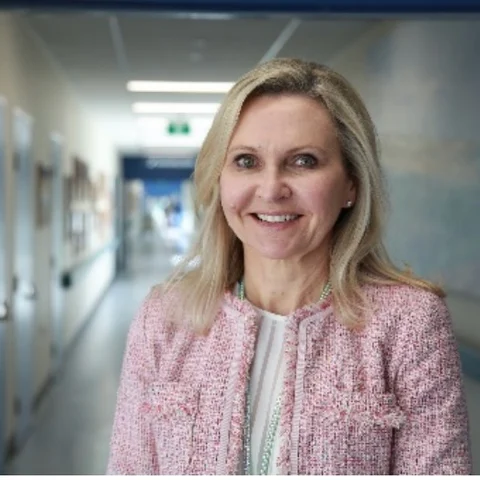
Headshot of Professor Helen Leonard

Professor Helen Leonard

Child disability and rare disease researcher

The Kids Research Institute Australia

A child disability and rare disease researcher in Perth, Western Australia. In 2004 Helen helped identify some of the first CDKL5 patients globally; in 2012 Helen co-established the International CDKL5 Disorder Database, which now holds over 450 genetically confirmed patient records.

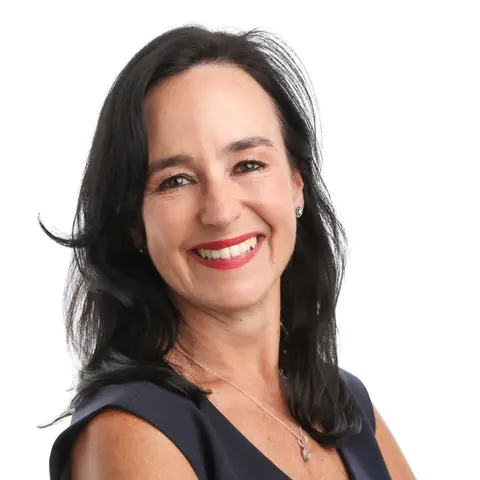
Headshot of Professor Carolyn Ellaway

Professor Carolyn Ellaway

Senior Staff Specialist, NSW Genetic Metabolic Service

Sydney Children’s Hospital Network / University of Sydney

Senior Staff Specialist with the NSW Genetic Metabolic Service with over 30 years’ clinical experience. Established Australia’s first multidisciplinary clinic for children with Rett syndrome at The Children’s Hospital at Westmead in 2000.

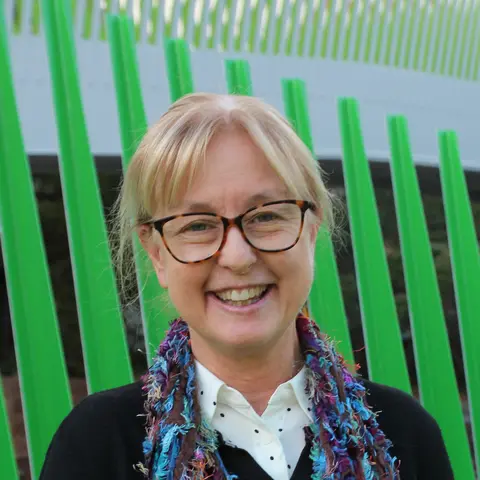
Headshot of Professor Wendy Gold

Professor Wendy Gold

Group Leader, Molecular Neurobiology Lab

Kids Research, Children’s Hospital at Westmead / University of Sydney

Leads the Molecular Neurobiology Lab at Kids Research, Westmead Children’s Hospital. Translational research developing gene therapies for genetic neurodevelopmental disorders, including CDKL5 Deficiency Disorder.

Headshot of Professor Jenny Downs

Professor Jenny Downs

Child disability and rare-disease researcher

The Kids Research Institute Australia

Senior child disability researcher at The Kids Research Institute Australia in Perth. Long-running cohort and outcomes research in CDKL5 Deficiency Disorder and Rett syndrome; co-established the International CDKL5 Disorder Database with Helen Leonard in 2012.

For research and industry partners

Working with CDKL5 Australia

CDKL5 Australia engages directly with academic, clinical and industry partners on family-facing trial recruitment, patient and family registry liaison, and Australian regulatory pathway navigation, including the Therapeutic Goods Administration (TGA), the Pharmaceutical Benefits Scheme (PBS), and the Special Access Scheme (SAS). We don’t recommend specific treatments and we don’t run trials. We are the most reliable Australia-side route for engaging the Australian CDKL5 Deficiency Disorder family population.

Email partnerships@
Headshot of Professor Helen Leonard

Professor Helen Leonard

Child disability and rare disease researcher

The Kids Research Institute Australia

I work at The Kids Research Institute Australia which is based in Perth, Western Australia. I am a child disability and rare disease researcher with a medical background and have published nearly 400 scientific papers. In 2004 I helped to identify some of the first CDKL5 patients globally and subsequently in 2012 with Australian colleagues established the International CDKL5 Disorder Database which now contains information on over 450 genetically confirmed patients with CDD. I am mainly responsible for ongoing recruitment and maintenance of this database where 419 different genetic variants are represented. I have a keen interest in the genetic variation and how this may relate to patient characteristics.

Data from our database has been used to inform the medical literature about numerous aspects of CDD such as: comparison with Rett syndrome, functional abilities, attainment of developmental milestones, epilepsy and its management (medications, use of cannabinoids, ketogenic diet, vagal nerve stimulation, and any required hospitalisations), other associated medical problems, quality of life, and how genetic variation may relate to patient characteristics. Our team has also been deeply involved with the recently completed U01 Clinical Trial Readiness study.

Looking into the eyes of these children and wondering why life has so cruelly treated them is my inspiration.

Headshot of Professor Carolyn Ellaway

Professor Carolyn Ellaway

Senior Staff Specialist, NSW Genetic Metabolic Service

Sydney Children’s Hospital Network / University of Sydney

Professor Carolyn Ellaway is a Senior Staff Specialist with the NSW Genetic Metabolic Service, Sydney Children’s Hospital Network with over 30 years’ experience in the field. She completed clinical training in Paediatrics, Clinical and Biochemical Genetics and was awarded a PhD from Sydney University. She has a clinical academic appointment as a Professor with the Faculty of Medicine and Health Sciences, Sydney University.

Over the last 30 years Professor Ellaway has developed expertise in the diagnosis and management of children with Rett syndrome and related disorders. She established Australia’s first multidisciplinary clinic for children with Rett syndrome at The Children’s Hospital at Westmead in 2000. She has also been involved in numerous research projects and clinical trials including a gene therapy trial for Rett syndrome.

Headshot of Professor Wendy Gold

Professor Wendy Gold

Group Leader, Molecular Neurobiology Lab

Kids Research, Children’s Hospital at Westmead / University of Sydney

Wendy Gold is a Professor at the University of Sydney and leads a research team at The Children’s Hospital at Westmead in Sydney. She trained in genetics, completing both an Honours degree and a PhD.

Her work focuses on conditions that affect how the brain develops in children, including Rett syndrome and CDKL5 Deficiency Disorder. Professor Gold’s goal is to better understand these conditions, to discover biomarkers that will inform and guide future clinical trials and to help develop new treatments that improve the lives of affected children and their families.

Her team studies patient cells in the lab, including specialised brain cells grown from skin or blood samples. They also use small “mini-brain” models to better understand how the brain develops and what goes wrong in these conditions. This research helps identify early signs of disease and test potential therapies, including gene therapy approaches that aim to correct faulty genes.

Professor Gold’s work brings together experts from many areas, including brain science, medicine, and drug development. With over 17 years of experience, she has contributed to major advances in understanding rare childhood brain disorders and is actively working towards safer and more effective treatments.

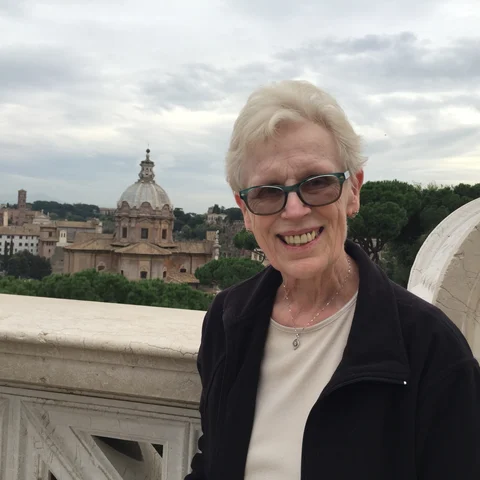
Headshot of Professor Jenny Downs

Professor Jenny Downs

Child disability and rare-disease researcher

The Kids Research Institute Australia

Professor Jenny Downs leads child disability research at The Kids Research Institute Australia in Perth, with a focus on neurodevelopmental disorders including CDKL5 Deficiency Disorder and Rett syndrome. Her work spans longitudinal cohort studies, functional outcome measurement, and family-reported quality-of-life research.

With Professor Helen Leonard, Jenny co-established the International CDKL5 Disorder Database in 2012. The database now holds genetically confirmed records on more than 450 patients globally and is one of the primary sources of natural-history evidence informing trial design and regulatory submissions for CDD therapies.

Jenny’s research is published widely in paediatric neurology and rare-disease literature, with a particular emphasis on outcomes that matter to families.